
Everything You Need to Know
Kitten Guide
♡ From litter and feeding to health and safety- everything to help your kitten settle in ♡
Kitten Guide
Everything you need to know about bringing your new Ragdoll kitten home, from litter and feeding to health and safety. Use the links below to jump straight to a section.
Table of Contents
Bringing Your Kitten Home
Bringing home your new kitten is an exciting day, but it can also be overwhelming for them. They’ve just left their mom, siblings, and the only home they’ve ever known, so it’s completely normal if they’re shy or nervous at first. Give them time to adjust, be patient, and let them explore at their own pace. We’ll also send them home with a blanket that smells like their family. Placing this blanket in their carrier or sleeping area can help them feel more secure and make the transition a little easier.
When you get home, set your kitten up in a quiet, secluded room. Place their carrier in the room, open the door, and allow them to come out when they’re ready. Their room should have food, fresh water, a litter box, toys, a cat tree, and a comfortable place to sleep. Keep the litter box away from both the food and water, and place the water source away from the food as well. Cats naturally prefer not to eat, drink, and use the bathroom all in the same area.
When you first bring your kitten home, place them in the litter box a few times so they know where it is. It’s also helpful to place them in the litter box after every nap and every meal while they’re learning their new routine.
Allow your kitten to stay in this room until they’re confidently exploring it, eating normally, and using the litter box consistently. We generally recommend waiting at least three days before giving them access to the rest of your home, although every kitten adjusts at their own pace. Once they’re comfortable, let them explore gradually while you’re there to supervise and reassure them. When you’re away from home, it’s best to keep them safely confined to their kitten room until they’re fully settled in.
It’s very common for kittens to have soft stool or diarrhea during the first few days after coming home. The stress of a new environment, along with changes in routine and diet, can temporarily upset their stomach. This is usually nothing to worry about and often resolves on its own. If it continues or seems severe, you can add Food Grade (this is very important – it must be Food Grade) Diatomaceous Earth to their food for one week. Please look up the proper dosage based on your kitten’s weight, and be sure to add plenty of water to their meals while using it, as diatomaceous earth can contribute to dehydration. This is simply something that has worked well for our cats and is not veterinary advice.
You may also notice mild “cold-like” symptoms such as sneezing, watery eyes, or a runny nose during the first few days. This is another common stress response and typically clears up as your kitten settles into their new home. If any symptoms become severe or don’t improve, please contact your veterinarian.
If you’re introducing your kitten to an older cat- especially one you think may not immediately accept the newcomer- we strongly recommend following Jackson Galaxy’s introduction method. It is by far the most commonly recommended approach by experienced cat owners and behaviorists, and taking introductions slowly can make all the difference in helping your cats build a positive relationship.
Watch his guide here: https://www.youtube.com/watch?v=tsYT7yIOdqQ
Choosing the Right Litter for Your Kitten
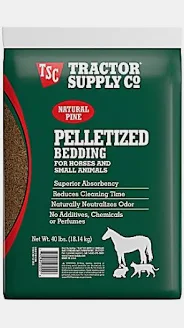
We use pine pellet litter because we believe they offer the best combination of cleanliness, affordability, and comfort for both cats and their owners. Our kittens are raised using pine pellets from the beginning, so continuing with this litter in their new home will help make their transition easier and more familiar.
The litter we use is a 40-pound bag of pine pellets from Tractor Supply. One bag costs less than $10 and lasts approximately 2–3 months for one cat. Pine pellets produce very little dust, track minimally throughout the home, and naturally help control odors with a fresh pine scent. The pine pellets also dissolve into sawdust when wet, making cleanup very simple. This particular litter can also be flushed down the toilet with cat waste due to its dissolving nature (always check your local plumbing guidelines before flushing any litter). They are also an environmentally friendly option because they are made from a renewable, biodegradable material. They do require a sifting litter box and pee pads. We personally use the Tidy Cats Breeze System Litter Box and purchase pee pads in bulk from Costco, although there are many similar systems available.
We understand that every cat and household is different, and we encourage you to research the litter option that works best for you. However, we recommend completely avoiding traditional clay clumping litter, as this is what many first-time cat owners purchase. Clay litter creates a lot of dust, tracks easily throughout the home, and becomes stuck in the long fur of breeds like Ragdolls. The dust from these clay litters may also be a concern for cats (and people) with respiratory sensitivities, such as asthma. Many clay litters also contain ingredients such as sodium bentonite and crystalline silica dust, which are concerns we prefer to avoid.
If you decide to switch your kitten to a different litter, we recommend waiting until they are fully settled into their new home before making the change. Keeping their routine and environment as familiar as possible during the first few weeks can help reduce stress. If you have another cat at home that uses a different litter, introduce the new litter slowly by mixing it with their current litter and gradually increasing the amount of pine pellets over several days.
As a general rule, you should have one litter box per cat in your household, plus one extra. We also recommend using stainless steel litter boxes instead of plastic whenever possible, as they are easier to clean, typically last much longer, and most importantly, do not absorb odors over time.
Spaying or Neutering Your Kitten
We believe in allowing our kittens ample time to grow and develop before undergoing spaying or neutering procedures. Early spaying or neutering can impact a kitten’s physical development, so we recommend waiting until your kitten is 6 months before spaying/neutering. This is especially important for Ragdolls because they mature more slowly than other breeds. By waiting until your kitten is at least 6 months old before fixing them, it ensures that your kitten can benefit from all the necessary hormonal growth processes- leading to a healthier and happier life. Ragdolls won’t reach their adult weight and size until about 4 years old. Their coat color and thickness will not fully develop until about 3-4 years old. However, if you are bringing home a girl and a boy from us- you will most likely need to fix your kittens sooner. This is not always the case, but please keep an eye on the behaviors of your new kittens to prevent pregnancy. We do not allow kittens brought home from us to be used for breeding. Kittens are able to get pregnant as early as 4 months old.
Feeding Your Kitten
One of the biggest parts of caring for our cats is providing them with a diet that supports their natural nutritional needs. At our cattery, we make our own homemade food for all of our cats, and we strongly encourage you to continue providing your kitten with a high-quality, moisture-rich diet. We completely understand that homemade food is not realistic for every family, as it requires time, preparation, equipment, and dedication, but we believe nutrition plays one of the biggest roles in your kitten’s long-term health and happiness.
Our homemade recipe follows a prey-based balance of approximately 80% muscle meat, 10% edible bone, 5% liver, and 5% other secreting organs. We make our food using chicken thigh, beef heart, beef kidney, beef liver, and chicken wings. We use a meat grinder to grind the chicken wings, allowing us to provide the calcium and minerals naturally found in bone. We also add whole chicken eggs with the shells, salmon oil for healthy skin and coat, and a small amount of coconut oil for additional nutritional benefits. We feed our cats this recipe raw, but if you feel nervous about doing so, our recipe can also be cooked. For one of our girls, we prepare a cooked batch specifically for her, while all of our other cats eat the raw version.
We purchase most of our meat in bulk from Restaurant Depot and get our organs from ShopRite. Making homemade food allows us to provide our cats with high-quality ingredients while also saving money compared to many premium commercial diets. However, homemade food does require a significant amount of time, effort, and investment. Between purchasing ingredients, preparing large batches, cleaning equipment, and investing in tools such as our $1,200 meat grinder and Restaurant Depot membership, there are many costs involved beyond just the ingredients themselves.
For reference, the ingredients for our cats’ food comes out to about $2 a pound. Many popular wet food options can range from around $3 per pound for more budget-friendly brands, such as Friskies and Fancy Feast, to $10+ per pound for some premium brands, such as Tiki Cat and Weruva. While these canned foods are still a much better option than feeding dry kibble, they are processed diets that typically contain additional ingredients such as thickeners, gums, added supplements, and other components needed to create a complete canned formula. They also do not provide the same fresh, whole-food ingredients found in a homemade diet. By making our own food, we are able to provide our cats with a fresh, species-appropriate diet using high-quality ingredients at a surprisingly affordable cost.
Please Note: If you choose to make homemade food for your cat, it is important to use a properly balanced recipe that includes all of the nutrients cats require. Simply feeding plain meat alone does not provide everything a cat needs to stay healthy long-term.
One of the more difficult parts of making homemade cat food is sourcing edible bone. Since most grocery stores do not sell properly prepared ground bone, many people either have to purchase it online (which can become expensive) or use a supplement powder to provide the necessary calcium and minerals. If you choose to make your own homemade food without using ground bone, a properly formulated supplement powder is essential to help ensure the diet is complete and balanced. One option for a supplement powder can be found here: https://www.knowwhatyoufeed.com/shop_online.html
After switching our cats to this diet years ago, we noticed incredible improvements immediately. Their coats became softer and silkier, their skin stays healthier, they rarely ever experience hairballs, they have significantly fewer eye boogers, and their stool has very little odor. These are some of the reasons we believe a species-appropriate, moisture-rich diet can make such a difference in a cat’s overall wellbeing.
Cats are obligate carnivores, meaning their bodies are designed to get their nutrients primarily from animal-based foods. Unlike humans and many other animals, cats have a naturally low thirst drive because their ancestors received most of their hydration from their prey. Wild prey animals contain approximately 70–75% water, while dry kibble contains very little moisture. Because of this, we strongly recommend feeding wet food instead of relying on dry kibble as a primary diet.
We also recommend continuing our habit of adding extra water to your kitten’s food and mixing it together before serving. This is especially important for Ragdolls, and particularly male Ragdolls, who can be more prone to urinary issues. Keeping your kitten well hydrated is one of the simplest and most effective ways to support urinary health.
Please note: Male Ragdolls are prone to having UTIs and other urinary blockages. Please make sure you are giving your Ragdoll enough water- especially if it is a male. Adding water to their meals is the biggest preventative measure you can take. We’ve NEVER had a urinary issue in any of our cats.
We have fed this type of diet to all of our cats since they came into our homes, and we have been extremely happy with the results. Of course, every cat is different, so always monitor your kitten and speak with your veterinarian if you have any health concerns.
If making homemade food is not something you are interested in, feeding a high-quality wet food is still an excellent choice. Any properly balanced wet food is a much better option than feeding only dry kibble.
Some of our favorite wet food options include:
Higher-quality options:
- Weruva
- Nulo’s “Shreds with Organ Meat” line
- Tiki Cat After Dark (we still consider this a good option, but recommend keeping an eye on ingredient changes over time as the brand was acquired by General Mills in 2024.)
More budget-friendly options:
- Kirkland Pate
- Fancy Feast Pate
- Tiny Tiger Pate
- WholeHearted Pate
Kitten-specific options:
- Raws Kitten
- Fancy Feast Kitten Pate
- Instinct
- Cat in the Kitchen
Freeze-dried treats are also our preferred choice for snacks. Some of our favorites include freeze-dried chicken, rabbit, chicken liver, chicken hearts, and other single-ingredient treats.
If you are interested in feeding your kitten the exact homemade food that we feed our own cats, we also offer our raw food for purchase. We make extra batches specifically so we can package them into convenient containers and freeze them for easy feeding. It is the exact same recipe and ingredients that our own cats eat. If you would like more information, please reach out to us!
When choosing wet food, always pay attention to the ingredients. The first ingredient should be a named meat source. The quality of meat ingredients range from best (1) to lowest quality (4) as follows:
- Whole meat (example: chicken)
- Meat meal (example: chicken meal)
- Meat by-product
- Unspecified meat by-product
The term “meat by-product” does not automatically mean an unhealthy ingredient. According to AAFCO, it refers to clean, non-rendered parts from slaughtered mammals that are not muscle meat, such as organs. However, we prefer foods that clearly identify the animal source and prioritize named meat ingredients.
Cats should always have access to fresh water, but many cats do not drink enough from a traditional bowl. In nature, cats are naturally drawn to moving water because stagnant water may be unsafe. For this reason, we recommend using a stainless steel water fountain. It encourages drinking, is easier to keep clean, and avoids some of the issues associated with plastic bowls.
Make sure to clean the fountain regularly, replace filters as needed, and keep the water source separate from your kitten’s food. Cats instinctively avoid drinking water near their food because, in the wild, a water source near prey could potentially become contaminated. Keeping food and water separate can encourage better drinking habits and help your kitten stay hydrated.
The Fish Myth
Contrary to popular belief and what is shown in movies, fish is actually not the best for cats, which is why we have chosen not to feed them any food containing fish. Many cats are sensitive or allergic to fish, making it one of the most common feline food allergens. Fish-based foods often contain high levels of histamine, contributing to allergic reactions, and do not support the synthesis of sufficient Vitamin K necessary for proper blood clotting. The synthetic supplement often added to these foods, menadione, poses significant toxicity risks. There is a link between fish-based cat foods and the development of hyperthyroidism in cats. This is partly due to the presence of PBDEs, chemicals found in higher concentrations in fish-based foods, which are known to disrupt thyroid function. Fish, especially those at the top of the food chain like tuna and salmon, can also contain high levels of heavy metals such as mercury, as well as PCBs, pesticides, and other toxins due to bioaccumulation. These substances pose serious health risks, not only contributing to chronic conditions but also impacting the overall safety of the diet.
Given these considerations, we do not recommend primarily feeding fish and fish favored foods in your Ragdoll’s diet. Instead, we recommend selecting high-quality, meat-based foods that support their health and nutritional needs without exposing them to the risks associated with fish consumption. Please do your own research on this topic and make informed decisions for your kitty. They cannot shop for their own food, so they are counting on you to make sure they are getting a healthy, balanced, and nutritional diet. Please do your own research on this topic to be well informed. If Googled, you’ll find that cats rarely ever eat fish naturally, only “Fishing Cats” do.
Feeding Schedule
Your kitten is currently used to being free-fed, and we recommend continuing this routine after bringing them home. Free feeding means always keeping a small amount of food available throughout the day and allowing your kitten to eat when they are hungry. We personally place a small amount of food on their plate and refill it as needed when we notice it is getting low.
Many people worry that free feeding will cause cats to overeat, but kittens that have been free-fed from a young age typically learn to regulate their own intake. They naturally eat when they are hungry and stop when they are full. This is especially beneficial for growing Ragdoll kittens, as they are a larger breed that grows quickly and requires consistent access to nutrition during development.
Once a cat is switched to scheduled meals, many cats lose this ability to self-regulate. Instead of eating based on hunger, they may begin eating simply because food is available, which can lead to overeating and unnecessary weight gain. We also find free feeding to be much easier, as we can put out a plate of food and not worry about having to be home at a specific time to feed our cats.
If you prefer scheduled meals instead of free feeding, we recommend feeding multiple smaller meals throughout the day. Cats naturally eat many small meals rather than large meals, so dividing their daily food intake into several portions better mimics their natural eating habits. A general kitten feeding schedule would look something like this:
Kittens (8 weeks–6 months old)
- Feed 4–6 small meals per day
- Offer at least 20 grams or more per meal
- Never limit how much a growing kitten eats during each meal. Kittens are still developing and should be allowed to eat until they are satisfied.
Kittens (6–12 months old)
- Feed 3–6 meals per day
- Continue providing enough food to support their growth, especially for larger breeds like Ragdolls.
- A smaller Ragdoll kitten may eat around 25–30 grams per meal, while larger kittens may require 35+ grams per meal or additional snacks throughout the day.
Adult cats (12+ months old)
- We recommend continuing with 3–5 smaller meals per day (rather than only one or two large meals)
- Larger adult Ragdoll cats (10+ lbs) generally eat around 120–150 grams of food per day.
- Example: 4 meals per day = approximately 30–40 grams per meal
Choosing the Right Bowls
When feeding your new kitten, it’s important to use shallow, wide bowls. Cats have sensitive whiskers that help them navigate their environment. Deep or narrow bowls can cause “whisker fatigue,” which occurs when their whiskers are overstimulated by touching the sides of the bowl. This can lead to discomfort and stress during mealtime. Symptoms of whisker fatigue include refusal to eat, pacing around the food bowl, or only eating from the center of the bowl.
To prevent whisker fatigue, we recommend using bowls specifically designed to accommodate a cat’s sensitive whiskers. Some popular options include:
- Whisker City Relief Cat Bowl (available at PetSmart)
- Dr. Catsby’s Whisker Relief Bowl
- Necoichi Extra Wide Raised Cat Food Bowl
In addition to shallow and wide bowls, taller bowls can also be beneficial. Elevated bowls help cats eat in a more natural, comfortable position, reducing strain on their necks and joints. This is especially helpful for older cats or those with arthritis. Elevated bowls also aid in digestion by allowing food to travel more easily down the digestive tract. And please, do not feed your cats on plastic plates/bowls. Not only is plastic extremely bad for their health, but bacteria sticks to the material because plastic is very porous. This can make your kitten very sick. Eating from plastic can also give your kitten cat acne on their chin.
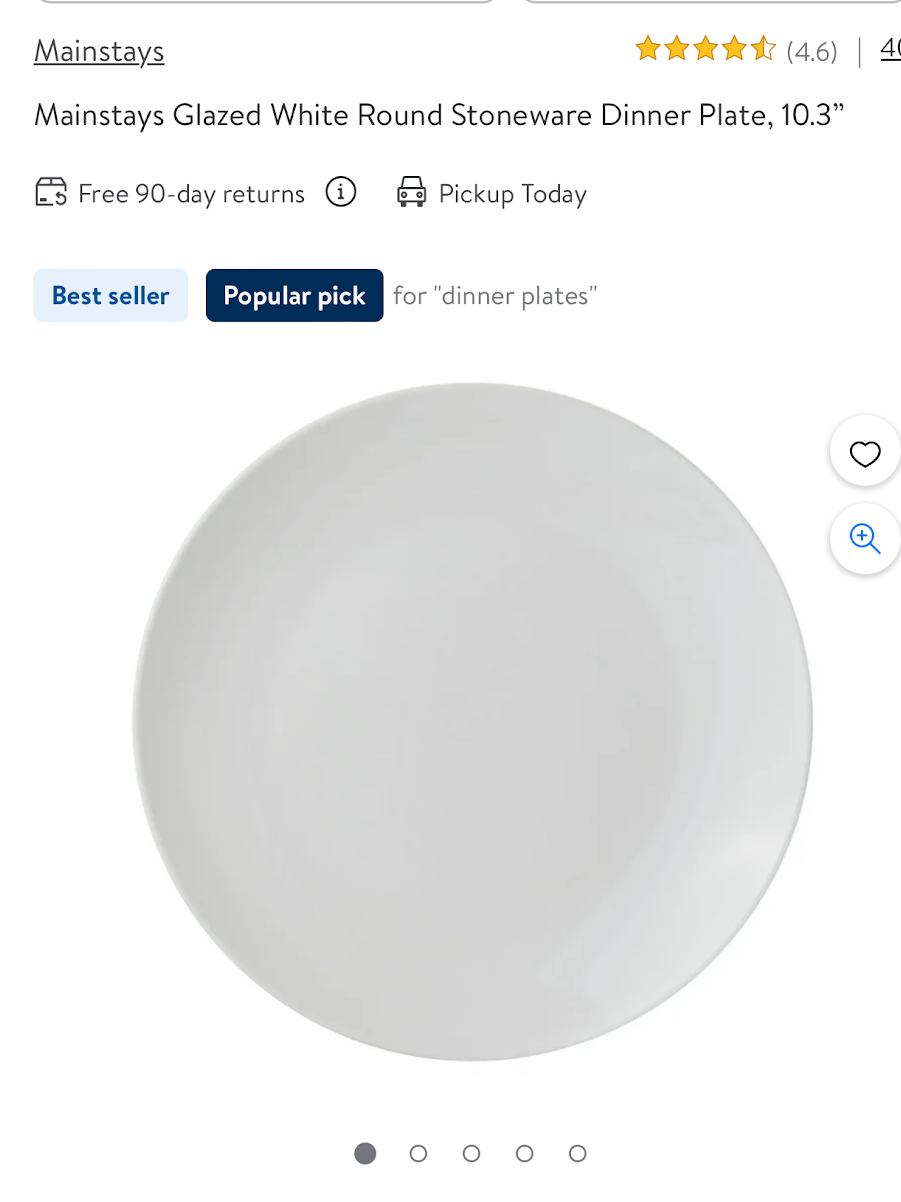
We personally bought a stack of these regular dinner plates from Walmart. They were $1.12 each (at the time of writing this). AliExpress and Temu also have very cute options for glass cat plates/bowls and they’re very inexpensive.
Stress-Related Symptoms After Bringing Your Kitten Home
It’s common for kittens to experience mild illness after moving to a new home. The stress of leaving their familiar environment and family can temporarily weaken their immune system. Signs of this stress-related illness can include sneezing, a runny nose, eye discharge, and other cold-like symptoms. If your new kitten shows these symptoms, don’t worry- this is a normal response to the stress of relocation. Allow your kitten some time to adjust to their new surroundings. Ensure they have a quiet, comfortable space to rest and provide plenty of fresh water and nutritious food. If the issue persists after 2 weeks, consult with your veterinarian for further advice.
By understanding these common issues and taking the right precautions, you can help ensure a smooth transition for your new Ragdoll kitten into your home.
Declawing
Declawing is a surgical procedure that involves removing the last bone of each of a cat’s toes. This means a cat is not simply having their claws removed- they are having part of each toe amputated, including the bone, tendons, and nerves associated with the claw.
Because of this, declawing can have serious and permanent effects on a cat’s physical and emotional well-being. Some potential consequences include:
Chronic Pain: Declawed cats experience long-term paw pain caused by nerve damage, scar tissue, or changes in the way they walk.
Behavioral Changes: Declawed cats can develop behavioral issues such as increased aggression, sensitivity when their paws are touched, or avoiding the litter box because digging can become uncomfortable.
Physical Problems: Cats rely on their claws for balance, stretching, climbing, and normal movement. Removing the tips of their toes can alter their natural walking mechanics and can contribute to mobility issues over time.
Emotional Stress: Scratching is a natural and important behavior for cats. They scratch to stretch their muscles, mark their territory, maintain healthy claws, and relieve stress. Removing this ability can prevent them from performing a normal instinctive behavior.
Declawing has been banned or restricted in many countries and locations due to its impact on animal welfare. We do not allow kittens purchased from us to be declawed. Declawing permanently alters a cat’s body and removes their ability to perform natural feline behaviors.
If scratching becomes an issue, please find another solution rather than declawing. Regular nail trims, providing appropriate scratching posts or scratching pads, and using soft claw covers when needed are all safer alternatives. Cats are naturally designed to scratch, and with the right scratching surfaces and training, most cats can learn to scratch appropriate areas without damaging furniture. Ragdolls are known for their gentle personalities, but they are still cats with normal feline instincts. Scratching is an important part of keeping them happy, healthy, and emotionally fulfilled.
Helpful Tips for Cat Owners
- Use 100% wool dryer balls instead of dryer sheets. They are reusable for hundreds of washes, do not contain the plastics and fragrances found in many dryer sheets, and do a much better job at collecting cat hair from clothing and blankets! You can find them affordably at stores like Marshalls or HomeGoods.
- Buy lint rollers in bulk. Costco sells a 5 pack of large lint rollers for under $20 and they last a very long time. Use the Costco App to see which locations carry them, as not all of them do.
- Use pet-safe cleaning products whenever possible. Cats walk across surfaces, groom their paws, and can ingest the residue/chemicals left behind by cleaning products. We strictly use a 50/50 mixture of distilled white vinegar and water for everyday cleaning tasks because it is effective at cleaning and removing odors, while being safe for cats (and you!) if ingested.
- Avoid fragrances in your home. Products such as Febreze, plug-in air fresheners, and essential oil diffusers are irritating and unsafe for cats (again, and you!). A clean home does not need to rely on heavy fragrances.
- The Lilly Brush Mini Pet Hair Detailer is one of our favorite tools for removing cat hair. We use it to clean our cat trees, furniture, car carpets, and other fabric surfaces. https://www.lillybrush.com/products/mini-pet-hair-detailer
- Frequent hairballs are not normal. With a proper diet, regular grooming, and good overall care, cats rarely experience hairballs. If your Ragdoll sheds heavily, we recommend using a horse comb instead of a traditional slicker brush. Fellschon is a popular brand among long-haired cat owners.
- Provide plenty of appropriate scratching surfaces. Scratching is a natural and healthy behavior for cats. Having scratching posts and pads available helps keep their claws healthy while protecting your furniture.